Credit Score – What Does It Mean?

Credit Score Ranges

What Is A Credit Score?

You’ve heard that a credit score is important, haven’t you?  You may have even heard how you should protect your credit score.  But a lot of people are still unsure of what a credit score actually is.

Let’s take a look at credit scores and what they mean.  This way you know once and for all what they are and how they are used.

A credit score is a calculation based on information from a credit report which gives a representation of how credit-worthy a person is or how likely a person is to default on their loan.

Let’s take a quick step back, shall we?  We’re talking about credit scores but it’s important to understand what a credit report is all well.  Your credit report is basically a listing of all the credit accounts you have and your history paying your credit, or debt, off.  Sometimes the report is referred to as your credit history.  The information comes from the lenders who report your activity to the three major credit bureaus.

To quickly sum up — your credit report gives information and a history of your credit accounts.  Now back to credit scores…

Your credit score gives a number range to quickly sum up the information from your credit report.

Continue Reading

Credit Report Versus Credit Score – You Better Know the Difference

credit-score-calculation

I hear a lot of people interchanging the term credit report with credit score.

I do it myself.

But there’s a Big Difference between the two.  See how I bolded that there?  That’s how important it is.

Knowing the details of a credit report vs a credit score will help you better understand your credit.  And that can help you save money!

Differences Between a Credit Report and a Credit Score

Continue Reading

Protecting Your Kids from Child Identity Theft

By now, many of us know what a serious thing it is to protect our identities.

Identity fraud is a very real threat, and victims of identity theft find themselves fighting an uphill battle when it comes to fixing their credit, and sorting out other related problems.

However, many of us don’t think that our kids have anything to worry about.  After all, they aren’t 18.

Unfortunately, there is information out there about children, too, and a growing rash of child identity theft reports could indicate that your child could be in trouble.

How Does Child Identity Theft Work?

Continue Reading

Will a Late Credit Card Payment Affect My Credit Score?

dont_be_late

The most important aspect of your credit score is your payment history.

As a result, a late payment can have a profound impact on your credit history.

That late payment is recorded on your credit report, and the information in your credit report in turn influences your credit score.  And, since your payment history accounts for 35% of your credit score, a late payment can make a big difference.

But how late does a credit card payment have to be in order to be considered late?  Will your credit score really be dinged if you are one day late?

The answer depends on your own behaviors, as well as the policy followed by the creditor in question.

When is a Payment Late?

Continue Reading

The Difference Between a Hard Credit Pull and a Soft Credit Pull

Your credit score is an incredible tool that can build up your life if used properly and tear it down if abused.

The difference between a great credit score and an okay credit score might be the difference in 0.5% interest on a home or auto loan and thousands of extra dollars of interest paid.

If you’re looking to protect your credit score you need to be aware of the difference between a soft credit pull and a hard credit pull.  One can damage your credit score while the other is mostly harmless.

Do you know the difference?

Two Types of Credit Inquiries: Soft Pull and Hard Pull

Here’s a look at the two types of credit report pulls.

What is a Soft Credit Pull?

Continue Reading

How to Improve Your Credit Score Fast

Having a good credit score impacts many areas of your life: the interest rates you pay on debt, your car insurance rates, and what types of credit card offers you get in the mail.

If you find yourself with a poor credit score, but have a need to improve it quickly, there are a few tips you can try.

However, the only true way to drastically improve your score is to use debt responsibly for a long period of time.

What Goes Into a Credit Score?

Before you can improve your credit score you need to know what exactly goes into your credit score in the first place.  Once you know what goes into the credit score you can work to make changes in those specific areas.
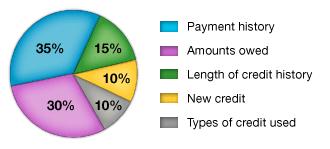
credit score factorsWe have a full post that dissects what goes into your credit score, but here’s a brief breakdown:

  • 35% – Payment History
  • 30% – Amounts Owed
  • 15% – Length of Credit History
  • 10% – New Credit
  • 10% – Types of credit used

How to Improve in Each Credit Score Area

Continue Reading

Are Credit Monitoring Services Worth It?

Credit

You know that your credit is important.

From getting a mortgage, to buying a car, to getting the best insurance rates, your credit can impact how much you pay, and whether you get the loan you need.

Staying on top of your credit is important if you want to save thousands of dollars over your lifetime.

On top of that, identity theft is the fastest growing crime, and everyone is vulnerable.

No matter how hard you try to keep your information safe, there is no way to completely guarantee that you won’t end up the victim of identity theft.

One of the earliest ways to catch identity fraud is to keep tabs on what is happening with your credit.

Because good credit is such a concern, and because identity theft is a very real fear, many people turn to credit monitoring services.  These services can help you keep track of whether or not your credit is improving, as well as notify you when someone opens credit in your name (and signaling that someone else might be using your identity).

But are credit monitoring services worth it? Continue Reading

Victim of Identity Theft? Here Are Your Next Steps to Protect Yourself

Credit card security

One of the fastest growing crimes in identity theft.

It’s the theft of information about you — information that can be used by fraudsters to pretend to be you and get access to a number of perks using your good name.

Whether your credit card number has been stolen, or whether someone is using your information to qualify for a car loan, it’s possible for someone else to pretend to be you.

Your stolen identity can impact you and your finances.

Obviously, if someone steals your credit card information and makes purchases, that can impact your abilities to use your own financial resources — at least until you take action.  If someone is using your card for purchases, you could be denied when you go to make purchases later.  And, if someone uses your information to open a loan, it shows up as your debt in your credit report.  If the fraudster isn’t making payments, it’s your credit that is sunk.

Once you realize that your identity has been stolen, it’s important to take action.

Here are the steps to follow as soon as you realize that your identity has been compromised: Continue Reading

How Will Your Student Loans Affect Your Credit Score?

You’d be hard-pressed to make it through college these days without student loans.

With the cost of a post-secondary education rising each year, most people can’t afford to attend university without the help of student loans.  Even a 529 plan and a partial-tuition scholarship might not be enough to avoid student loans.

While there are many advantages to student loans, and you can get special treatment with your student loans, it’s important to understand how a student loan can affect your credit.

Since your credit score is an important part of your financial life, it’s a good idea to consider the impact of your student loans.

Student Loans And Your Credit Score

Continue Reading

New Technology Makes Shopping With Your Credit Card Easier

Most of us can’t remember a time when credit cards weren’t a part of our wallets.

Remember the Diner’s Club card?

Credit cards actually go back to the 1920′s when gas station attendants wanted to provide a system of payment for the increasing amount of automobiles on the roads.  The first cards were made out of card stock making them easy to counterfeit but as is the case with every good idea, evolution took over.

As of this year, of the households who have a credit card balance, the average amount of debt is $15,956 per household which equals total outstanding balances of $609.8 billion nationwide.

The evolution of the credit card is far from over.

Continue Reading